Preparing a comfortable and safe nesting box for your pregnant cat is a crucial aspect of feline pregnancy care. A well-designed nesting box provides your expectant cat with a secure and comfortable place to give birth and care for her kittens. In this guide, we’ll explore the essential steps to create the ideal pregnant cat nesting box, ensuring the health and well-being of both the mother and her newborn kittens.
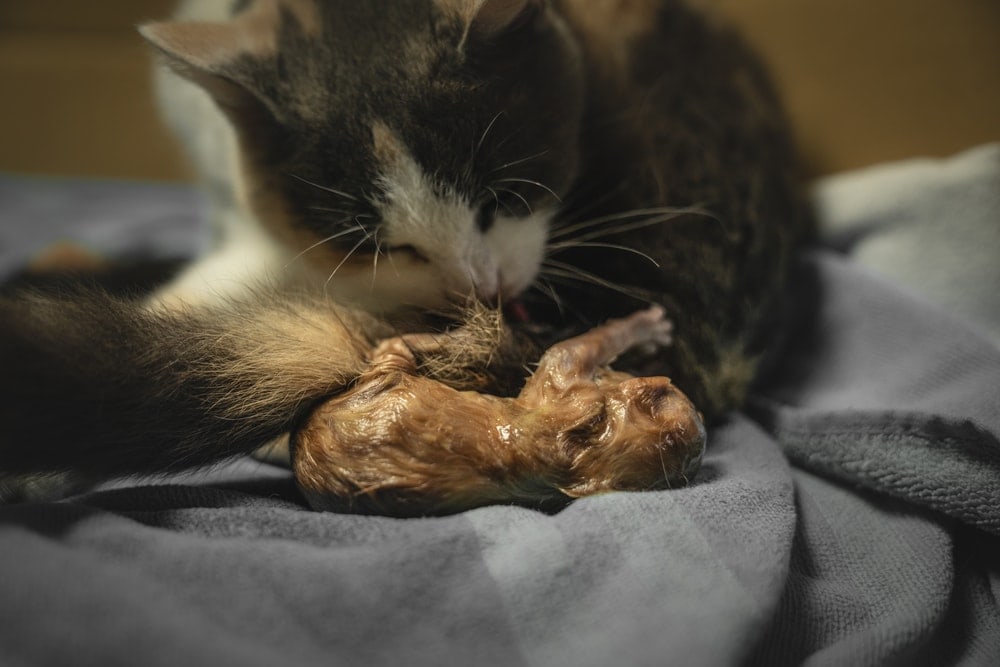
Why Does Your Pregnant Cat Need a Nesting Box?
Before delving into the details of creating a nesting box, it’s important to understand why it’s essential for your pregnant cat:
- Security and Comfort: A nesting box offers a private and secure space where your cat can feel safe, reducing her stress during labor and nursing.
- Temperature Control: The box helps maintain a stable temperature, crucial for the kittens’ health and development.
- Hygiene: A designated area for birthing and nursing makes it easier to keep the environment clean, preventing the spread of infection.
- Accessibility: It ensures that the mother cat can easily access her kittens and attend to their needs.
Now, let’s dive into the steps to create the perfect nesting box.
Step 1: Choosing the Right Box
Selecting an appropriate cat whelping box is the first and most critical step. Consider these factors:
- Size: The box should be spacious enough for the mother and her kittens but not too large. A cardboard box or plastic storage container often works well.
- Accessibility: Ensure that the sides are low enough for the mother cat to enter easily.
- Location: Place the box in a quiet, low-traffic area where your cat can have privacy.
Step 2: Adding Bedding
Select suitable bedding materials that are comfortable and easy to clean. Options include:
- Clean, soft blankets or towels
- Newspaper or puppy pads to absorb moisture
- Washable, pet-friendly bedding
Line the box with these materials, ensuring they are clean and free of any potential irritants.
Step 3: Maintaining Temperature
Temperature control is crucial for the kittens’ survival. Provide a heating pad set on low or a heat lamp placed at a safe distance. Make sure the mother cat can move her kittens away from the heat source if they become too warm.
Step 4: Privacy and Security
To make the nesting box feel like a safe haven, consider covering it partially with a towel or cloth. Leave an opening for the mother cat to access easily.
Step 5: Accessibility to Food and Water
Place food and water dishes near the nesting box so the mother cat doesn’t have to leave her kittens for an extended period.
Step 6: Monitoring and Assistance
Once your pregnant cat starts showing signs of labor, such as restlessness or vocalization, monitor her closely. Be prepared to offer assistance if necessary, but avoid intervening unless it’s absolutely needed. Most cats instinctively know how to care for their kittens.
Step 7: Post-Birth Care
After the kittens are born, continue to provide a clean and warm environment. Replace soiled bedding promptly to prevent infections. Monitor the kittens’ growth and health, and consult a veterinarian if you have any concerns.
Creating the perfect nesting box for your pregnant cat is a crucial part of ensuring a safe and comfortable birthing experience. By following these steps and guidelines, you can provide your cat with an ideal space to give birth and raise her kittens, promoting their health and well-being. Remember to monitor your cat closely during labor, and if you have any concerns about her or her kittens’ health, consult your veterinarian for guidance and support. A well-prepared nesting box is a small but essential step in ensuring a successful and stress-free pregnancy for your beloved feline companion.
Written by Jonas Jurgella, Animal Communication Scientist and author of the Cat Language Bible – How to finally understand and speak with your cat.

 Meow Connection