by Jonas Jurgella, author of “Adopting a Stray Cat (Ultimate Guide): Your Path to Feline Friendship”
Stray cats, often misunderstood and overlooked, roam our streets, alleys, and parks, living a life of solitude and uncertainty. These feline wanderers, however, can become wonderful companions when approached with patience, care, and understanding. This report aims to provide comprehensive guidance on how to befriend a stray cat, transforming a timid, wary creature into a trusting and loving companion.
Cats are known for their independence, but they also have a strong capacity for forming bonds with humans. To befriend a stray cat is not only a rewarding experience for the individual but also contributes to reducing the population of homeless cats and ensuring their welfare. In this report, we will explore various aspects of approaching, gaining the trust of, and ultimately welcoming a stray cat into your life.

- Understanding Stray Cats
- 1.1 The Lives of Stray Cats
- 1.2 The Importance of Befriending Stray Cats
- 1.3 Common Misconceptions About Stray Cats
- Assessing the Situation
- 2.1 Identifying Stray vs. Feral Cats
- 2.2 Safety Precautions
- 2.3 Gauging the Cat’s Comfort Level
- Preparing for the Befriending Process
- 3.1 Gathering Necessary Supplies
- 3.2 Creating a Safe Space
- 3.3 Formulating a Befriending Strategy
- Approaching a Stray Cat
- 4.1 The Art of Patience
- 4.2 Non-Threatening Body Language
- 4.3 Using Food as a Motivator
- Building Trust
- 5.1 Regular Visits and Routine
- 5.2 Socializing with Other Cats (If Applicable)
- 5.3 Gradual Physical Contact
- Providing Food, Water, and Shelter
- 6.1 Setting Up Feeding Stations
- 6.2 Fresh Water and Nutritious Food
- 6.3 Options for Shelter
- Healthcare and Vet Visits
- 7.1 Importance of Veterinary Care
- 7.2 Addressing Common Health Issues
- 7.3 Spaying/Neutering
- Transitioning to Indoor Life
- 8.1 Creating a Safe Indoor Environment
- 8.2 Litter Training and Proper Cat Care
- 8.3 Behavioral Adjustment
- Nurturing the Bond
- 9.1 Developing a Relationship
- 9.2 Playtime and Enrichment
- 9.3 Communicating with Your Cat
- The Rewards of Befriending a Stray Cat
- 10.1 Personal Fulfillment
- 10.2 Contributing to Cat Welfare
- 10.3 Spreading Awareness
- Conclusion
- 11.1 Recap of Befriending Process
- 11.2 The Lifelong Journey with Your New Feline Friend
Section 1: Understanding Stray Cats
1.1 The Lives of Stray Cats
Stray cats, also known as community cats, are domesticated felines that have either been abandoned or have become lost and must fend for themselves in the wild. Understanding the lives they lead is crucial for anyone seeking to befriend and help them. Here, we will explore the typical existence of stray cats:
A. Survival Instincts
Stray cats possess strong survival instincts honed through generations of domestication. They are adept hunters, often relying on their skills to catch small prey like birds, rodents, and insects for sustenance. This instinctual behavior is a vital part of their daily lives as they strive to find food.
B. Solitary Existence
Unlike their social counterparts, house cats, strays usually lead solitary lives. They may form loose colonies with other strays but tend to be fiercely independent. This solitary nature can make approaching them a challenging task, as they may be wary of human contact.
C. Constant Challenges
Stray cats face numerous challenges daily, including exposure to harsh weather conditions, potential dangers from predators, and the constant search for food and shelter. Their lives are marked by uncertainty, making them wary and cautious creatures.
1.2 The Importance of Befriending Stray Cats

Befriending a stray cat goes beyond the fulfillment of having a new feline friend; it holds significant importance in the broader context of animal welfare and community well-being.
A. Reducing Overpopulation
Stray cats can contribute to overpopulation issues, leading to an abundance of homeless kittens. By befriending and spaying or neutering strays, you can play a vital role in controlling the cat population and reducing the number of cats suffering on the streets.
B. Enhancing Their Quality of Life
Stray cats often endure harsh conditions, hunger, and loneliness. Befriending them provides an opportunity to improve their quality of life by offering food, shelter, and companionship.
C. Preventing Disease Spread
Stray cats are at risk of contracting and spreading diseases, some of which can also affect humans. By caring for strays, you can help prevent the spread of diseases, promoting a healthier community.
1.3 Common Misconceptions About Stray Cats
Misconceptions about stray cats can hinder efforts to befriend and help them. It’s essential to dispel these myths and misconceptions to approach the task with a clear and compassionate mindset.
A. “All Stray Cats are Feral”
Not all stray cats are feral, and not all feral cats are unapproachable. Stray cats may still have a degree of socialization with humans, while feral cats have had little or no human interaction.
B. “They’re Better Off on Their Own”
The belief that stray cats are self-sufficient and better off without human intervention is a common misconception. Stray cats face numerous hardships and can benefit greatly from the care and support of compassionate individuals.
C. “They Cannot Be Tamed”
While it may take time and patience, many stray cats can be tamed and eventually become loving companions. The assumption that they are untamable can discourage efforts to befriend them.
Understanding the lives, challenges, and misconceptions surrounding stray cats is the first step towards successfully befriending and helping them. With this foundation, we can proceed to assess the situation and create a plan for building trust and forming a bond with these resilient feline beings.
Section 2: Assessing the Situation
Before embarking on the journey of befriending a stray cat, it’s crucial to assess the situation carefully. Stray cats can be in various states of distress or comfort, and understanding their condition is essential for a successful befriending process.
2.1 Identifying Stray vs. Feral Cats

Distinguishing between stray and feral cats is the first step in assessing the situation accurately. Each category requires a different approach:
A. Stray Cats
Stray cats are domesticated cats that have become lost or abandoned. They may still have some level of socialization with humans. Key characteristics of stray cats include:
- Tendency to approach humans cautiously
- Potential for social interaction, even if they are initially wary
- A better chance of being successfully integrated into a home environment
B. Feral Cats
Feral cats are generally not socialized to humans and are often born in the wild. They are typically more fearful and less likely to approach people. Characteristics of feral cats include:
- Extreme wariness of humans and a tendency to avoid contact
- Hissing, growling, or defensive behavior when approached
- Greater difficulty in taming and domesticating
2.2 Safety Precautions
Approaching a stray cat, especially if you are unsure whether it is stray or feral, requires taking safety precautions to protect both yourself and the cat:
A. Wear Protective Clothing
Wearing gloves and long sleeves can prevent scratches or bites if the cat becomes frightened or defensive during your approach.
B. Use Caution with Traps
If you plan to use traps to capture a stray or feral cat, ensure you are trained in their proper use. Mishandling traps can cause injury to the cat and yourself.
C. Be Aware of Zoonotic Diseases
Zoonotic diseases can transfer between animals and humans. Familiarize yourself with common zoonoses associated with cats and take precautions to minimize risks.
2.3 Gauging the Cat’s Comfort Level
Assessing the comfort level of a stray cat is crucial in determining the best approach for befriending:
A. Observational Distance
Initially, observe the cat from a distance to gauge its behavior. A comfortable cat may exhibit relaxed body language, grooming, and curiosity about its surroundings.
B. Body Language
Pay attention to the cat’s body language. A cat that arches its back, hisses, or flattens its ears is likely fearful or defensive, indicating it may be feral.
C. Approach Gradually
If the cat appears comfortable, approach slowly and quietly, avoiding sudden movements or loud noises. If it retreats or displays signs of fear, give it space and time to regain confidence.
D. Providing Food
Offering a small amount of food can help assess the cat’s level of trust. A hungry but cautious cat may eventually approach to eat.
By accurately identifying whether a cat is stray or feral and taking appropriate safety precautions, you can create a foundation for the subsequent steps in the befriending process. Once you have assessed the situation, you can move on to preparing for the journey of gaining the trust of a stray cat and ultimately providing them with a better life.
Section 3: Preparing for the Befriending Process

Before you begin the process of befriending a stray cat, it’s essential to prepare yourself and your environment to ensure a safe and successful experience. This section will guide you through the necessary preparations to set the stage for building trust and companionship.
3.1 Gathering Necessary Supplies
To embark on the journey of befriending a stray cat, you’ll need specific supplies to facilitate the process and ensure the cat’s well-being:
A. Food and Water
- High-quality cat food: Ensure you have nutritious cat food on hand to offer to the cat.
- Fresh water: Provide a clean and easily accessible water source.
- Food and water dishes: Use durable, easy-to-clean dishes.
B. Basic Cat Supplies
- Litter box: Even if the cat is initially outdoors, having a litter box ready for the eventual transition indoors is crucial.
- Litter: Choose a low-dust, unscented litter.
- Cat carrier: A carrier is necessary for trips to the veterinarian and for the cat’s safety during the taming process.
- Bed or blankets: Provide a comfortable and cozy place for the cat to rest.
C. Grooming and Hygiene
- Brush and comb: These tools are helpful for grooming the cat and promoting a bond.
- Cat-safe shampoo: In case the cat needs a bath.
3.2 Creating a Safe Space
Establishing a safe space for the cat is vital, whether you intend to eventually bring it indoors or continue providing outdoor care:
A. Outdoor Shelter (if applicable)
- Provide a shelter such as a cat house, insulated box, or covered area to protect the cat from harsh weather conditions.
- Ensure the shelter is dry, clean, and well-ventilated.
B. Indoor Space Preparation
- If you plan to transition the cat indoors, prepare a separate room to serve as its initial safe space.
- Remove potential hazards, such as toxic plants or chemicals.
- Ensure windows and doors are secure to prevent escape.
- Create a comfortable and quiet environment with hiding spots.
3.3 Formulating a Befriending Strategy
Every stray cat is unique, and your strategy for befriending should be tailored to their specific needs and temperament. Consider the following steps when formulating your plan:
A. Set Realistic Expectations
- Understand that building trust with a stray cat takes time and patience.
- Be prepared for setbacks and progress at the cat’s pace.
B. Establish a Routine
- Cats thrive on routine, so establish regular feeding times and interactions to help the cat feel secure.
C. Identify a Primary Caregiver
- Designate one person to be the primary caregiver to minimize stress and establish consistency in care.
D. Keep Records
- Maintain a log of the cat’s behavior, health, and any interactions to track progress and identify potential issues.
E. Seek Support
- Connect with local animal welfare organizations or experienced cat caregivers for advice and assistance.
By gathering the necessary supplies, creating a safe and comfortable environment, and developing a personalized befriending strategy, you are well-prepared to begin the process of gaining the trust and friendship of a stray cat. In the subsequent sections, we will delve into the practical steps of approaching and building trust with these resilient feline companions.
Section 4: Approaching a Stray Cat
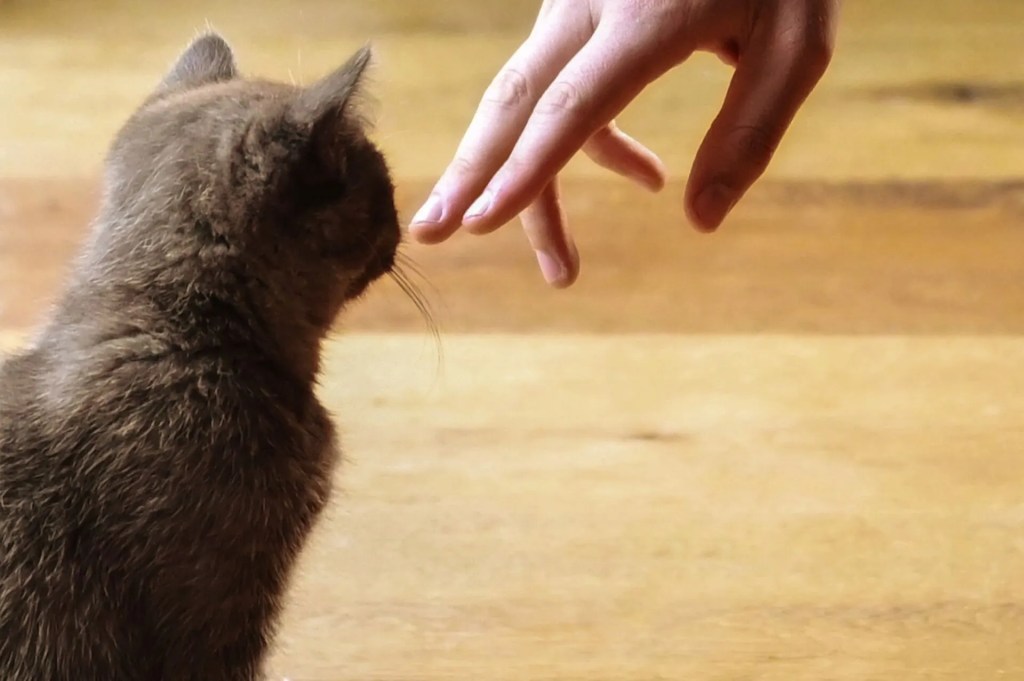
Approaching a stray cat can be a delicate and sensitive process. Earning the trust of a wary feline requires patience, understanding, and the right approach. In this section, we will explore the art of approaching a stray cat effectively.
4.1 The Art of Patience
Patience is your most valuable asset when approaching a stray cat. Understand that the cat may be frightened or defensive initially. Here are some key principles to keep in mind:
A. Observe From Afar
- Begin by observing the cat from a distance to avoid causing additional stress.
- Pay attention to the cat’s body language, behavior, and daily routines.
B. Move Slowly and Quietly
- When you approach, do so slowly and quietly to avoid startling the cat.
- Avoid sudden movements or loud noises that could trigger fear.
C. Allow the Cat to Set the Pace
- Let the cat dictate the level of interaction. Some cats may approach you sooner than others.
- Respect the cat’s boundaries and avoid forcing contact.
4.2 Non-Threatening Body Language
Your body language plays a significant role in how the cat perceives you. Demonstrating non-threatening behavior can help build trust:
A. Crouch Down
- Crouch or sit down to appear less intimidating and more approachable.
- Avoid standing tall or looming over the cat.
B. Avoid Direct Eye Contact
- In the cat world, direct eye contact can be perceived as a threat. Blink slowly to convey trust and non-aggression.
- Allow the cat to break and initiate eye contact on its terms.
C. Extend Your Hand
- Once the cat seems receptive, extend a hand with the palm facing up and allow the cat to approach and sniff it.
- Avoid sudden movements or reaching out forcefully.
4.3 Using Food as a Motivator
Food is a powerful motivator when befriending a stray cat. It can be a tool for gaining trust and positive association:
A. Offer High-Value Treats
- Use high-quality cat treats or small pieces of canned cat food to entice the cat.
- Place the food on the ground or in an open hand near you to encourage the cat to approach.
B. Establish a Feeding Routine
- Set regular feeding times to create predictability for the cat.
- Gradually reduce the distance between you and the feeding area over time.
C. Gradual Progress
- As the cat becomes more comfortable, you can start hand-feeding to further build trust.
- Be consistent with your feeding routine to reinforce positive associations.
Remember that building trust with a stray cat is a gradual process. It may take days, weeks, or even months before the cat becomes comfortable enough to approach you willingly. Be patient, respectful of the cat’s boundaries, and use non-threatening body language to create a foundation of trust. In the following sections, we will explore strategies for building upon this trust and providing for the cat’s needs.
Section 5: Building Trust

Building trust with a stray cat is a gradual process that requires consistent effort and understanding. Once you’ve successfully approached the cat and established some initial contact, the next step is to continue nurturing the bond. In this section, we’ll explore strategies for building trust and deepening your connection with the stray cat.
5.1 Regular Visits and Routine
Consistency is key when building trust with a stray cat. Establishing a routine of regular visits can help the cat become more familiar with your presence:
A. Visit at Predictable Times
- Stick to a consistent schedule for visits and interactions, especially during feeding times.
- Cats feel more secure when they know what to expect.
B. Gradually Increase Interaction Time
- As the cat becomes more comfortable, spend more time with it during each visit.
- Engage in gentle play or grooming activities if the cat shows interest.
C. Respect the Cat’s Signals
- Pay attention to the cat’s body language and behavior during visits.
- If the cat seems stressed or anxious, give it space and reduce the interaction time.
5.2 Socializing with Other Cats (If Applicable)
If the stray cat is part of a colony or interacts with other cats, socializing with those cats can be beneficial:
A. Cats as Social Models
- Cats often learn from observing other cats’ behavior.
- Positive interactions with well-socialized cats can encourage the stray cat to trust humans.
B. Monitor Group Dynamics
- Be aware of any conflicts or territorial disputes among cats.
- Ensure the stray cat is not being bullied or excluded from food sources.
5.3 Gradual Physical Contact
Physical contact is a significant milestone in building trust with a stray cat. Proceed slowly and pay close attention to the cat’s comfort level:
A. Gentle Touch
- Begin by offering gentle touches on the cat’s head or chin if it allows.
- Avoid sudden movements or touching sensitive areas.
B. Hand-Feeding
- Continue hand-feeding as a way to strengthen the bond.
- Gradually introduce more physical contact during feeding sessions.
C. Use Positive Reinforcement
- Reward the cat with treats or affection when it allows physical contact.
- Associate touch with positive experiences.
Remember that every cat is unique, and the pace at which they become comfortable with physical contact will vary. Some cats may readily accept petting, while others may need more time and patience. Always prioritize the cat’s comfort and well-being.
Building trust with a stray cat is a rewarding journey that can lead to a strong and lasting bond. By maintaining a consistent routine, considering interactions with other cats, and proceeding with gentle physical contact, you can continue to nurture your relationship with the stray cat and provide it with the companionship it deserves. In the subsequent sections, we will address practical aspects of caring for the cat’s basic needs and ensuring its overall well-being.
Section 6: Providing Food, Water, and Shelter

Ensuring that a stray cat has access to essential resources like food, water, and shelter is vital for its well-being and for building trust. In this section, we will discuss the steps to provide for the cat’s basic needs.
6.1 Setting Up Feeding Stations
Establishing a feeding station is a key element of befriending a stray cat. It creates a predictable routine and helps the cat associate your presence with positive experiences:
A. Choose a Safe Location
- Select a quiet and safe area for the feeding station, away from potential threats and disturbances.
- Ensure it’s easily accessible for you and the cat.
B. Use Secure Dishes
- Use sturdy, non-tip food and water dishes to prevent spillage and contamination.
- Regularly clean and sanitize the dishes.
C. Maintain Consistent Feeding Times
- Stick to a consistent feeding schedule, ideally at the same times each day.
- Avoid overfeeding, as this can lead to obesity and health issues.
6.2 Fresh Water and Nutritious Food
Proper nutrition is essential for the cat’s health and well-being. Providing fresh water and nutritious food is a key aspect of building trust:
A. Quality Cat Food
- Choose high-quality cat food, whether wet or dry, to ensure the cat receives proper nutrition.
- Consult with a veterinarian if you’re unsure about dietary requirements.
B. Fresh Water
- Always provide clean and fresh water in a separate dish from the food.
- Ensure the water source is not contaminated.
C. Gradual Dietary Changes
- If you plan to transition the cat to a different diet, do so gradually to prevent digestive issues.
- Consult with a veterinarian for dietary recommendations.
6.3 Options for Shelter
Providing shelter for a stray cat can protect it from harsh weather conditions and offer a safe space:
A. Outdoor Shelter
- If the cat remains outdoors, provide a shelter like a cat house or insulated box.
- Ensure it’s dry, insulated, and equipped with bedding or blankets for warmth.
B. Transitioning to Indoor Life
- If you plan to bring the cat indoors, prepare a safe and comfortable space.
- Gradually introduce the cat to the indoor environment to reduce stress.
C. Monitor Shelter Condition
- Regularly inspect and clean the shelter to ensure it remains safe and comfortable.
- Replace bedding or blankets as needed.
By consistently providing food, water, and shelter, you create a sense of security and reliability for the stray cat. Over time, the cat will associate your presence with these essential resources, further strengthening the bond of trust. In the following sections, we will address the importance of healthcare, spaying/neutering, and the transition to indoor life, if applicable, to ensure the cat’s well-being.
Section 7: Healthcare and Vet Visits
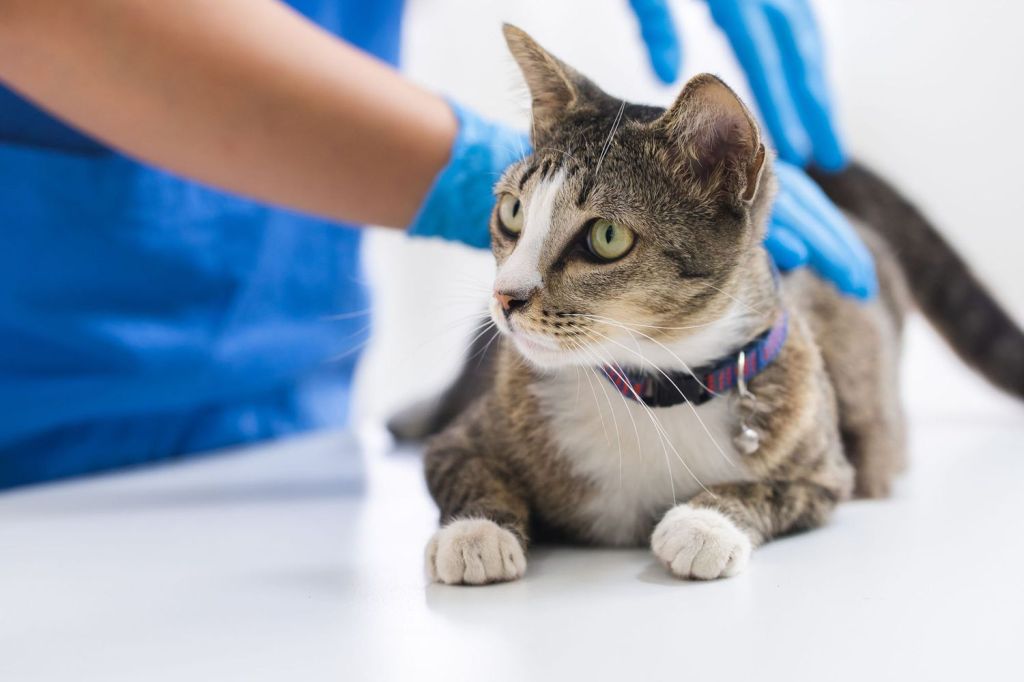
Ensuring the health and well-being of a stray cat is a crucial part of your commitment to befriending and caring for them. Regular vet visits and proper healthcare practices are essential to address medical issues and maintain the cat’s overall health. In this section, we will explore the key aspects of healthcare and vet visits for stray cats.
7.1 Importance of Veterinary Care
Regular veterinary care is vital for stray cats to address existing health issues, prevent diseases, and maintain their well-being:
A. Initial Checkup
- Schedule an initial vet visit to assess the cat’s overall health, vaccinations, and potential diseases.
- Discuss a vaccination plan with the veterinarian to protect the cat against common diseases.
B. Deworming and Parasite Control
- Stray cats are often exposed to parasites like fleas, ticks, and intestinal worms.
- Administer deworming and flea/tick treatments as recommended by the vet.
C. Spaying/Neutering
- Consider spaying or neutering the cat to prevent unwanted pregnancies and reduce the risk of certain health issues.
- Consult with the vet to determine the appropriate time for the procedure.
7.2 Addressing Common Health Issues
Stray cats may encounter various health issues due to their outdoor lifestyles. Be vigilant in monitoring their health and seek veterinary care if necessary:
A. Upper Respiratory Infections
- Stray cats are susceptible to respiratory infections. Look for symptoms like sneezing, coughing, or nasal discharge.
- Consult a vet for diagnosis and treatment options.
B. Injuries
- Outdoor cats can sustain injuries from fights with other animals or accidents.
- Provide first aid as needed and seek immediate veterinary care for severe injuries.
C. Dental Health
- Dental problems are common in cats. Monitor the cat’s oral health and address any signs of dental disease.
- Dental cleanings and care may be necessary.
7.3 Spaying/Neutering
Spaying or neutering is not only essential for controlling the stray cat population but also for the cat’s overall health:
A. Reducing Population
- Spaying/neutering helps prevent the birth of unwanted kittens, reducing the number of homeless cats in the community.
B. Health Benefits
- Spaying/neutering can reduce the risk of certain cancers and behavioral issues in cats.
- Consult with a veterinarian to determine the appropriate time for the procedure.
C. Recovery and Post-Operative Care
- Provide a safe and quiet space for the cat to recover after the procedure.
- Follow post-operative care instructions from the veterinarian.
Regular veterinary care, preventive measures, and spaying/neutering are essential components of ensuring the long-term health and well-being of a stray cat. By addressing these healthcare needs, you are not only improving the cat’s quality of life but also contributing to the welfare of the larger feline community. In the subsequent sections, we will discuss the transition to indoor life (if applicable) and further strategies for nurturing the bond with your newfound feline friend.
Section 8: Transitioning to Indoor Life

While many stray cats continue to live outdoors, some may benefit from transitioning to an indoor life, where they can enjoy safety, comfort, and a closer bond with their human caregiver. This section will guide you through the process of helping a stray cat adapt to indoor living.
8.1 Creating a Safe Indoor Environment
Preparing your home for an indoor cat is crucial to ensure a smooth transition and the cat’s well-being:
A. Cat-Proofing
- Remove potential hazards like toxic plants, chemicals, and small objects that the cat could ingest.
- Secure windows and balconies to prevent escape or accidents.
B. Provide Essential Resources
- Set up a litter box in a quiet, accessible location.
- Offer a variety of interactive toys and scratching posts to keep the cat mentally and physically stimulated.
C. Quiet Introduction
- Introduce the cat to one room initially, allowing it to acclimate gradually to the indoor environment.
- Provide hiding spots and comfortable bedding in this room.
8.2 Litter Training and Proper Cat Care
Litter training is a crucial aspect of transitioning a stray cat indoors. Follow these steps to ensure a successful transition:
A. Choose the Right Litter
- Select a litter that the cat is comfortable with. Start with what the cat is used to, and gradually transition to a preferred type if necessary.
B. Litter Box Placement
- Place the litter box in a quiet, easily accessible spot.
- Show the cat where the box is located, and encourage it to use it.
C. Gradual Exploration
- Allow the cat to explore more rooms in your home over time, always under supervision.
- Monitor its behavior and reactions to the new environment.
8.3 Behavioral Adjustment
Stray cats may exhibit certain behaviors that require patience and understanding during the transition to indoor life:
A. Socialization
- Continue building trust by spending quality time with the cat through play, grooming, and gentle interactions.
- Gradually increase the level of contact and affection.
B. Addressing Stress
- Be attentive to signs of stress or anxiety, such as hiding, excessive vocalization, or changes in eating habits.
- Provide a calm and reassuring environment to alleviate stress.
C. Consistency and Routine
- Maintain a consistent schedule for feeding, playtime, and interactions to help the cat adjust to its new indoor life.
The transition to indoor living can vary in duration, with some cats adapting quickly and others requiring more time. Be patient, understanding, and adaptable to the cat’s needs throughout the process. Remember that the ultimate goal is to provide the cat with a safe and loving home where it can thrive.
In the following sections, we will explore how to nurture the bond further, including developing a relationship with your cat, engaging in playtime and enrichment activities, and effective communication with your newfound feline companion.
Section 9: Nurturing the Bond

Building a strong and loving relationship with your stray cat is a rewarding journey that requires time, patience, and consistent effort. This section will delve into strategies and practices to nurture the bond between you and your newfound feline friend.
9.1 Developing a Relationship
Developing a strong relationship with your stray cat is a gradual process. Here are some steps to help you foster a closer bond:
A. Spend Quality Time Together
- Set aside dedicated time each day to interact with your cat.
- Engage in activities the cat enjoys, such as gentle petting, grooming, or playtime.
B. Respect Their Boundaries
- Pay attention to the cat’s body language and cues.
- If the cat shows signs of discomfort or signals that it needs space, respect these boundaries.
C. Be Consistent
- Consistency in your interactions and routines helps build trust.
- Stick to a regular schedule for feeding, play, and affection.
9.2 Playtime and Enrichment
Playtime is not only enjoyable for cats but also essential for their physical and mental well-being. Here’s how you can incorporate play and enrichment into your cat’s daily life:
A. Provide Interactive Toys
- Offer a variety of toys that encourage physical activity and mental stimulation, such as feather wands, puzzle feeders, or laser pointers.
B. Rotate Toys
- Rotate toys regularly to keep the cat engaged and prevent boredom.
- Cats often show more interest in toys that feel “new.”
C. Engage in Interactive Play
- Join in the play sessions to strengthen the bond.
- Use toys that mimic prey, allowing the cat to exhibit natural hunting behaviors.
9.3 Communicating with Your Cat
Effective communication is essential for understanding your cat’s needs and emotions:
A. Learn Their Body Language
- Familiarize yourself with feline body language cues, such as tail position, ear orientation, and vocalizations.
- This knowledge helps you interpret your cat’s feelings and reactions.
B. Vocal Communication
- Cats use vocalizations to communicate. Pay attention to meows, purring, and other sounds to understand their needs.
- Respond to their vocal cues with appropriate actions.
C. Non-Verbal Communication
- Use non-verbal cues like slow blinking to convey trust and affection to your cat.
- Establish a positive and reassuring physical presence.
Building a deep and lasting bond with your stray cat is a beautiful and fulfilling journey. By spending quality time together, respecting their boundaries, incorporating play and enrichment, and learning their communication signals, you can create a strong and trusting relationship. Remember that every cat is unique, so be attuned to your cat’s individual preferences and needs.
In the concluding section of this report, we will reflect on the rewards of befriending a stray cat and the broader impact of your efforts on cat welfare and the community.
If interested in learning more about how to communicate with your cat, check out my Cat Language Bible – How to finally understand and speak with your cat.

Section 10: The Rewards of Befriending a Stray Cat
Befriending a stray cat is not only a deeply rewarding experience for you as an individual but also carries significant benefits for the cat, the community, and the broader cause of animal welfare. In this section, we will explore the many rewards and positive outcomes of your efforts in befriending a stray cat.
10.1 Personal Fulfillment
A. Companionship
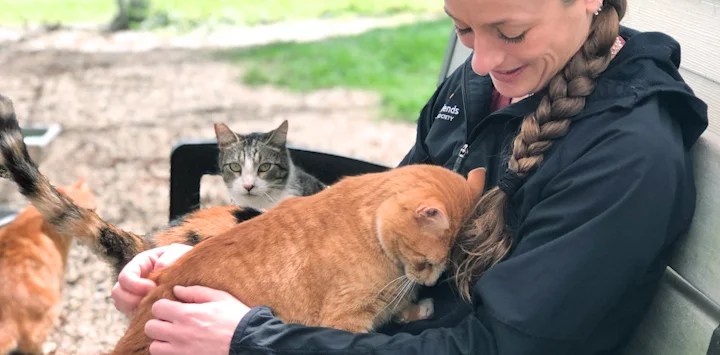
- Befriending a stray cat provides you with the joy of companionship and the opportunity to form a unique bond with a loving and appreciative animal.
B. Emotional Well-being
- Studies have shown that interacting with pets, including cats, can reduce stress, anxiety, and depression, leading to improved mental health and overall well-being.
C. Sense of Purpose
- Caring for a stray cat gives you a sense of purpose and the knowledge that you are making a positive impact on the life of a vulnerable animal.
10.2 Contributing to Cat Welfare
A. Population Control
- Spaying or neutering a stray cat contributes to controlling the feline population, preventing the birth of more homeless kittens.
B. Health and Safety
- Providing healthcare and a safe environment for a stray cat ensures its well-being and reduces the risks associated with an outdoor lifestyle.
C. Raising Awareness
- Befriending a stray cat can inspire others in your community to take action and make a difference in the lives of stray and abandoned animals.
10.3 Spreading Awareness
A. Advocacy
- Your experience with befriending a stray cat can serve as a powerful advocacy tool to raise awareness about the challenges faced by stray and feral cats.
B. Encouraging Responsible Pet Ownership
- Sharing your journey can encourage responsible pet ownership, including spaying/neutering, proper veterinary care, and providing a loving home.
C. Building a Compassionate Community
- Your efforts in befriending a stray cat contribute to building a more compassionate and caring community that values the welfare of all animals.
In conclusion, the rewards of befriending a stray cat extend far beyond the personal joy and fulfillment you experience. Your actions have a positive ripple effect, improving the life of a once-vulnerable cat, contributing to broader animal welfare efforts, and inspiring others to follow in your footsteps. Befriending a stray cat is a testament to the power of compassion and the potential for positive change in our communities. Your dedication and care make the world a better place for both cats and humans alike.
Section 11: Additional Resources and Support
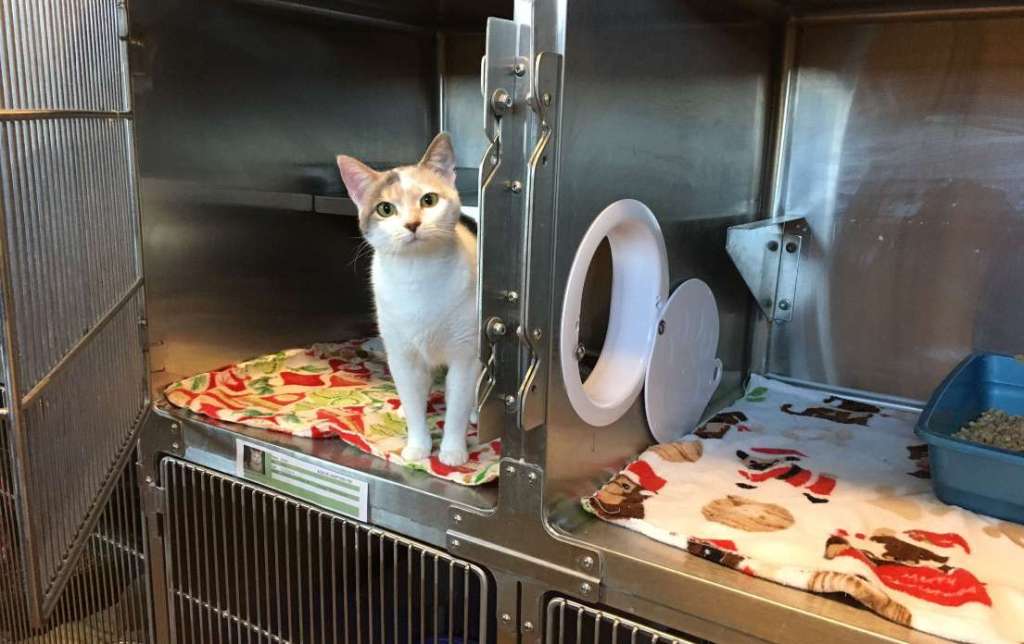
Befriending and caring for a stray cat is a noble and compassionate endeavor, and there are various resources and support networks available to help you along the way. This section provides information on where to find guidance, assistance, and additional information to enhance your efforts.
11.1 Local Animal Shelters and Rescues
A. Contact Information
- Reach out to local animal shelters and rescue organizations to inquire about their programs for stray and feral cats.
- They may offer spaying/neutering services, adoption opportunities, and advice on caring for strays in your area.
11.2 Veterinarians and Animal Clinics
A. Veterinary Care
- Establish a relationship with a veterinarian experienced in treating stray and feral cats.
- Regular veterinary care is essential for their well-being and for addressing medical issues.
11.3 Online Communities and Forums
A. Online Support
- Join online communities and forums dedicated to cat lovers, rescue efforts, and feral cat care.
- These platforms offer valuable advice, shared experiences, and a sense of community.
11.4 Educational Resources
A. Books and Articles
- Explore books, articles, and guides on cat behavior, care, and feral cat management.
- Educating yourself about feline behavior can enhance your ability to care for and understand stray cats.
11.5 Financial Assistance
A. Financial Support
- Investigate local and national organizations that provide financial assistance for spaying/neutering, vaccinations, and emergency veterinary care for stray cats.
- Financial support can alleviate the costs associated with caring for strays.
11.6 Community Involvement
A. Collaborate with Others
- Engage with like-minded individuals in your community who share your passion for stray cat care.
- Collective efforts can have a more significant impact on improving the lives of stray cats.
11.7 Local Legislation and Regulations
A. Familiarize Yourself
- Research local laws and regulations related to stray and feral cats.
- Understanding the legal framework can help you advocate for their well-being effectively.
11.8 Social Media and Online Platforms
A. Awareness and Networking
- Utilize social media and online platforms to raise awareness about stray cats in your community and connect with others who may be interested in helping.
11.9 Nonprofit Organizations
A. Supportive Organizations
- Consider collaborating with or supporting nonprofit organizations dedicated to feline welfare, rescue, and advocacy.
Remember that your journey of befriending and caring for a stray cat is a continuous learning experience. Seeking guidance, connecting with others who share your passion, and staying informed about the latest developments in feral cat management are all important steps in your mission.
By accessing the resources and support available, you can enhance your ability to provide a safe and loving environment for stray cats and contribute to the broader cause of animal welfare. Your commitment and compassion make a significant difference in the lives of these vulnerable animals.
Written by Jonas Jurgella, Animal Communication Scientist and author of “Adopting a Stray Cat (Ultimate Guide): Your Path to Feline Friendship”
 Meow Connection